Mini-Z Brushless Conversion: Motor, ESC & LiPo
Step-by-step brushless conversion for Mini-Z MR-03 and MA-020. Motor KV selection, ESC compatibility, LiPo wiring, and what actually changes on the track.
MR-03 · MR-04 · MA-020
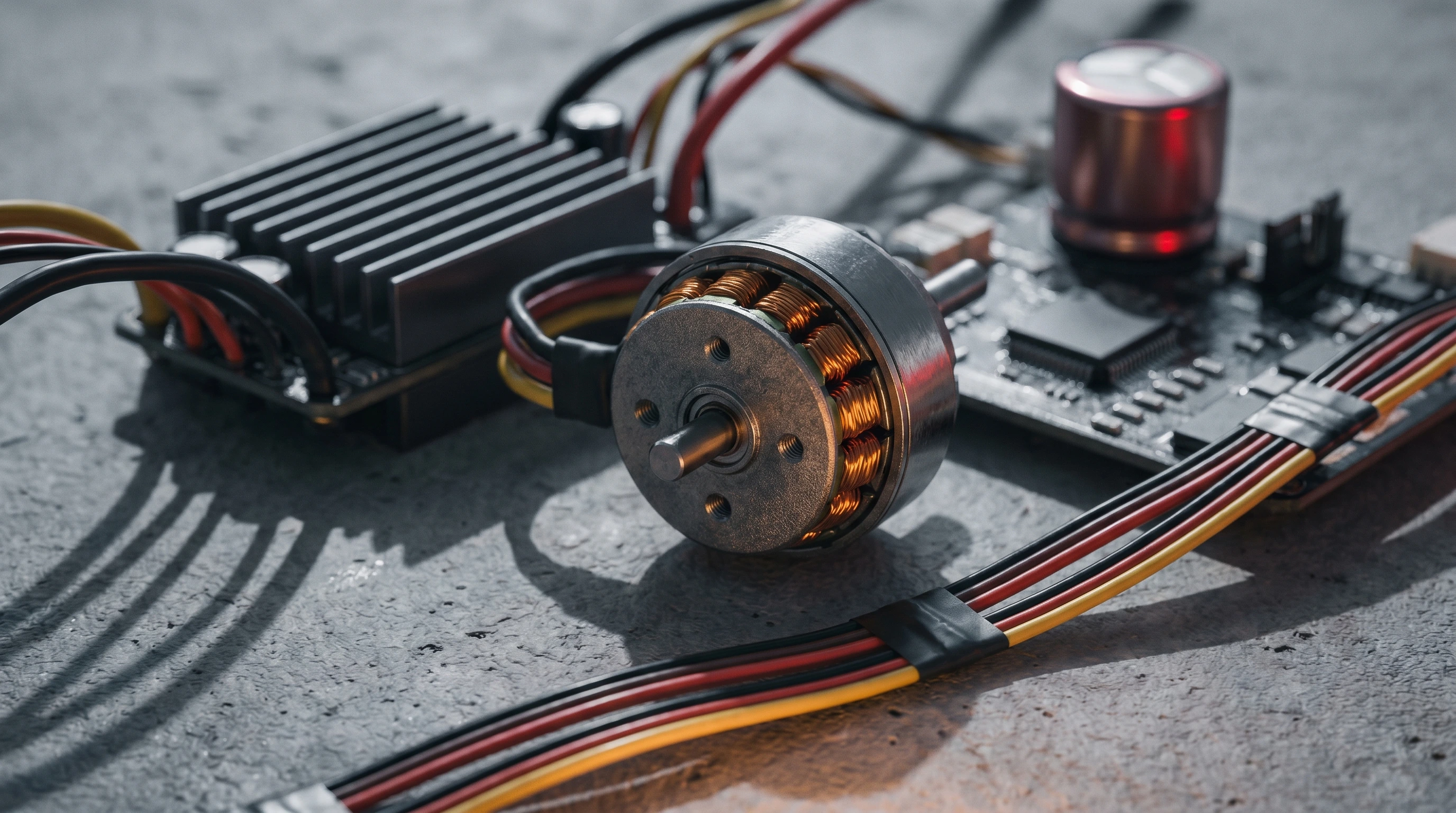
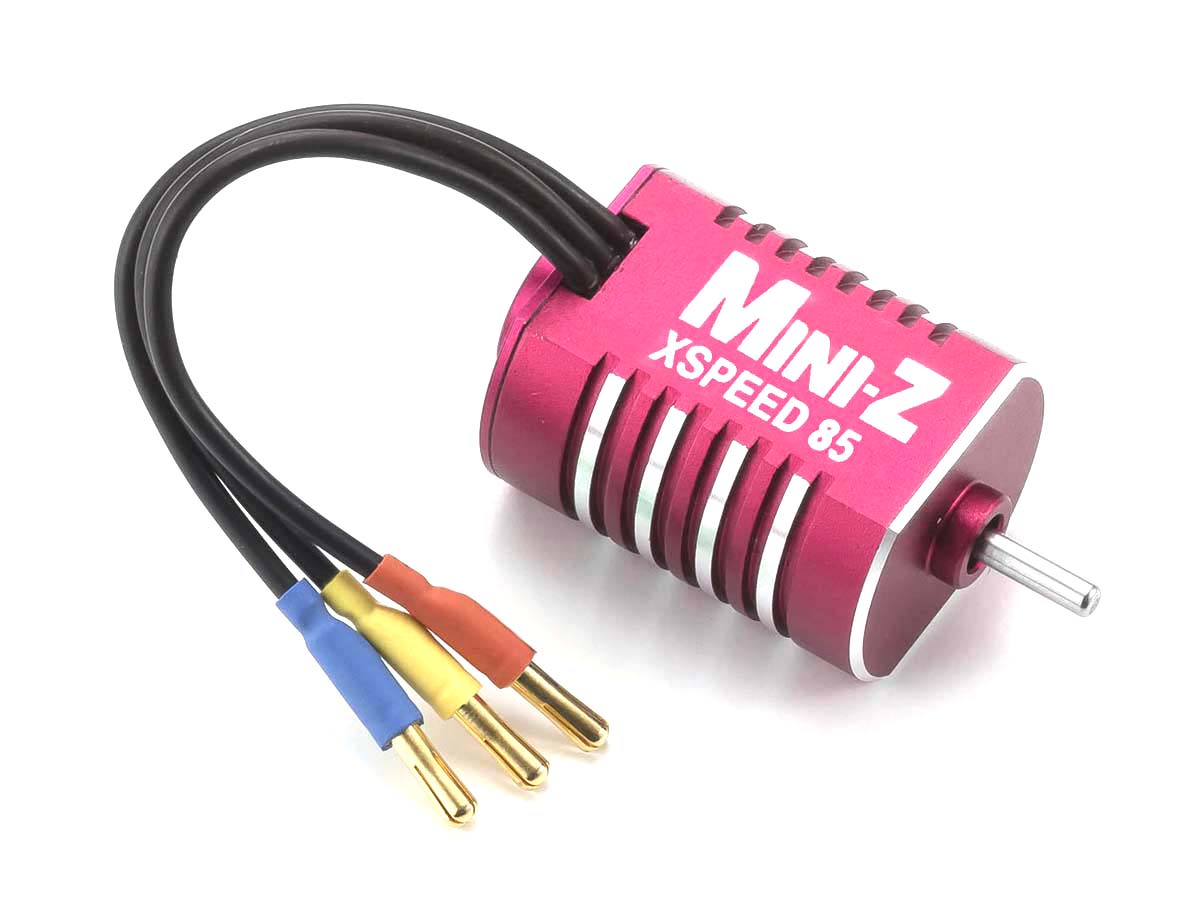
The stock brushed motor on a Mini-Z ReadySet is functional but limited. It has a narrow power band, generates significant heat under load, and tops out well below what the chassis is capable of. Going brushless changes the performance ceiling entirely.
This guide covers what you need, what’s compatible, and what to expect. If you have not done the foundation upgrades yet (bearings, tires, T-plate), handle those first. The 5 best first upgrades covers the order that matters.
Why Brushless
Brushless motors are more efficient, produce more consistent power across their RPM range, and last significantly longer than brushed motors. They also open up LiPo battery compatibility, which compounds the performance gains further.
The main trade-off: brushless requires a compatible ESC. You can’t drop a brushless motor into a stock Mini-Z without also addressing the speed controller.
If you’re in a brushed class or not ready to swap the ESC, swapping the stock FETs for low-Rds(on) parts is the intermediate upgrade. Lower resistance FETs improve current delivery and reduce heat without touching the motor or power system.
Worth reading before you order parts: not everyone agrees brushless is the right call for club-night racing in the first place. The case for staying brushed on the MR-03 argues the power curve you’re trading away is doing more work than the spec sheet suggests.
The Three-Part System
A complete brushless conversion involves:
- Brushless motor (replaces the stock 130-size brushed motor)
- Brushless-compatible ESC (replaces or supplements the stock receiver/ESC board)
- Power source (NiMH will work, but a 1S LiPo is the natural companion)
You can mix and match components, but they need to be compatible with each other.
Motor Selection
Mini-Z brushless motors are purpose-built for the platform. Standard RC brushless motors won’t fit the motor mount or have the right power characteristics for 1/27 scale.
KV rating determines RPM per volt. Higher KV means a faster motor at a given voltage. For Mini-Z on indoor RCP:
- 3500-4000KV: Good all-round range for indoor track racing. Manageable power delivery.
- 5000KV+: For fast tracks or experienced drivers. Difficult to control on tight indoor layouts.
For drivers new to brushless Mini-Z: start in the 3500KV range. You can always gear up with pinion selection to find more speed without changing the motor.
→ Hobbywing EZRUN Mini28 Combo (ESC + 3500KV Motor) on Amazon
If you’re converting from stock brushed and don’t already have a brushless motor, buy the combo. It gives you the ESC and a matched 3500KV motor together. If you already have an aftermarket brushless motor and just need the ESC, buy the standalone unit linked in the ESC section below.
→ Yeah Racing 5500KV Sensorless Brushless Motor for Mini-Z on Amazon
Sensorless brushless is the Mini-Z standard. Sensored options exist but require a matched sensored ESC and offer narrower compatibility.
ESC Compatibility
The stock MR-03 EVO receiver/ESC board supports brushless motors in certain configurations, but read the documentation for your specific board version. Some boards require a firmware update and have restrictions on motor KV.
Third-party ESC options from Yeah Racing and Atomic are designed from the ground up for brushless operation. They offer more programming flexibility and cleaner integration.
→ Hobbywing EZRUN Mini28 ESC on Amazon
Key ESC programming settings to configure:
- Motor type: brushless / sensorless
- Brake strength: affects feel on corner entry. Start at 25-30%.
- Timing advance: increases power and heat. Start at 0 degrees and adjust from there.
- Low-voltage cutoff: critical for LiPo. Set to 3.0V per cell and verify it’s active.
The ESC Tuning guide covers punch, brake, and drag brake settings in detail. These are the parameters that actually shape how the car drives. If you’re fully committed to brushless, a purpose-built aftermarket ESC is the better choice.
LiPo Integration
A 1S (single cell) LiPo at 3.7V nominal delivers flatter power than four NiMH AAAs. NiMH voltage sags as cells discharge; LiPo holds near its peak voltage through most of the discharge cycle. The car runs more consistently from the first minute to the last.
What you need for LiPo:
- A brushless-compatible ESC with low-voltage cutoff (non-negotiable, see below)
- A LiPo conversion tray or battery adapter for your chassis (Atomic makes one for MR-03; search your retailer for “Atomic Mini-Z LiPo tray MR-03”)
- A 1S LiPo in the correct footprint, typically 300-450mAh for Mini-Z (search your retailer for “1S 450mAh LiPo Mini-Z”)
- A LiPo balance charger (ISDT Q6 Plus or equivalent): → ISDT Q6 Plus 300W LiPo Charger on Amazon
The Battery Guide covers NiMH vs LiPo in depth, including cell selection, chargers, and proper storage.
Low-voltage cutoff is not optional. Discharging a LiPo below 3.0V per cell causes permanent cell damage and creates a fire risk. The ESC cutoff is your protection. Set it, then verify it activates by running the car until the ESC cuts power. The car should stop rather than continue running the pack to dead.
Motor Mount Compatibility
| Platform | Stock Motor Mount | Brushless Fit |
|---|---|---|
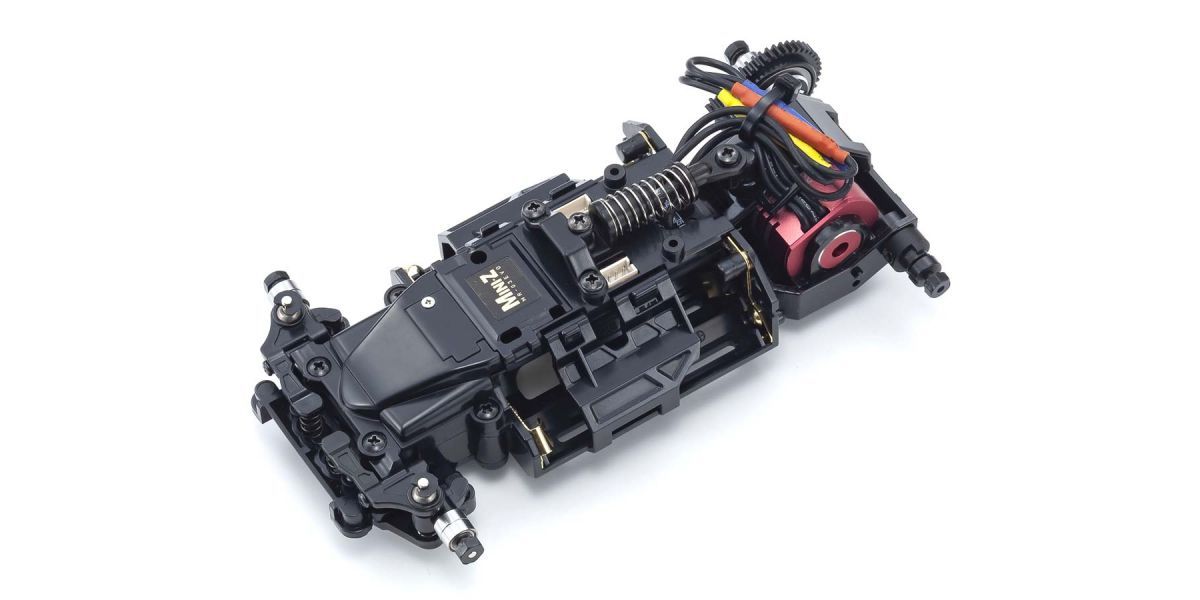
| MR-03 EVO | N-size 130 | Direct fit (MR-03 specific brushless motors) |
| MA-020 | N-size 130 | Direct fit, same as MR-03 (see MA-020 Motor Upgrade Guide for AWD-specific details) |
| MR-04 EVO | Different geometry | MR-04 specific conversion kits required |
Do not attempt to adapt MR-03 brushless parts to an MR-04 motor mount. Use MR-04-specific conversion kits.
On the RWD platforms the mount also decides where the motor sits (RM or MM) and what wheelbase the car runs. If you are changing mounts as part of a conversion, the motor mount positions guide covers what else has to change with it.
What to Expect
The difference from stock brushed is immediately noticeable. Motor response is crisper, power delivery is smoother, and the top speed ceiling rises substantially.
The first sessions are about learning a faster car. Be conservative. Start with a taller gear ratio (fewer pinion teeth) to keep power manageable while you adapt. If you need a humbling reminder that power isn’t everything, read The $50 Mini-Z That Beat My $300 Build. If you’re running a gyro, you may need to increase gain slightly to keep up with the faster throttle response. Once the power delivery is where you want it, the other major drivetrain decision is differential type. The Ball Diff vs Gear Diff guide covers which to run on the MR-03 and MA-020 depending on your surface and driving style.
Once you’re comfortable, experiment with timing advance and gear ratios to dial in your specific track. For exact gear ratio data by pinion tooth count on each platform, see the Mini-Z Pinion Gear Ratio Reference. It covers which pinion sizes suit brushless builds at different KV ratings and track types. Once the power system is sorted and you’re comparing notes with other racers, the How to Read a Setup Sheet guide explains how ESC timing, KV, and motor type notes fit into the full setup picture. And if you’re accumulating parts at a faster rate than lap times are dropping, the Diminishing Returns Trap guide is worth reading before the next purchase. It covers where electronics upgrades stop helping and what to do instead. Brushless fits in Tier 3 of the full sequence; see the Mini-Z Upgrades guide for the complete build order. Ready to shop motors and ESCs? The Shop Motors page has the current lineup.
Product images courtesy of Kyosho.
Prices are approximate and change often. Check the listing for current pricing.
Aluminum-housed 3500KV brushless motor for Mini-Z. Significant power increase over stock brushed.
Shop →High-efficiency brushless motor with matched ESC. Race-ready out of the box.
Shop →Fits all Mini-Z motor mounts including MR-04. Compatible with Kyosho, PN, and aftermarket mounts.
Shop →Matched 1/28-scale brushless motor and ESC. The simplest path to brushless on MA-020 and MR-03 chassis: single SKU, no part-matching.
Shop →Genuine Kyosho pinion and spur gear set for the MA-020 AWD drivetrain. Confirmed in stock direct from Kyosho.
Shop →Lowest ratio in Kyosho’s current MR-03 pinion range -- more low-end punch, less top speed. Sold separately from the spur.
Shop →Middle-of-the-range MR-03 pinion. Good default before you start tuning toward a specific track.
Shop →Taller MR-03 pinion for more top speed on open layouts. Trades off low-end acceleration.
Shop →Tallest pinion in Kyosho’s current MR-03 range. High-speed RCP tracks only -- acceleration suffers.
Shop →The spur half of the MR-03 ratio equation. Pair with whichever pinion tooth count above matches your track.
Shop →Kyosho has not published a pinion or spur gear listing for MR-04 as of 2026-08-05 -- their current sets are stated for MR-015/02/03 only. Do not assume MR-03 gears mesh correctly; check Kyosho’s catalog before ordering.
Shop →