Mini-Z Bearing Maintenance: Clean, Re-Oil, and Know When They're Done
Dirty bearings quietly steal lap time. How to spin-test, clean, and re-oil Mini-Z bearings, and how to know when one is too far gone to save.
MR-03 · MR-04 · MA-020 · MX-01
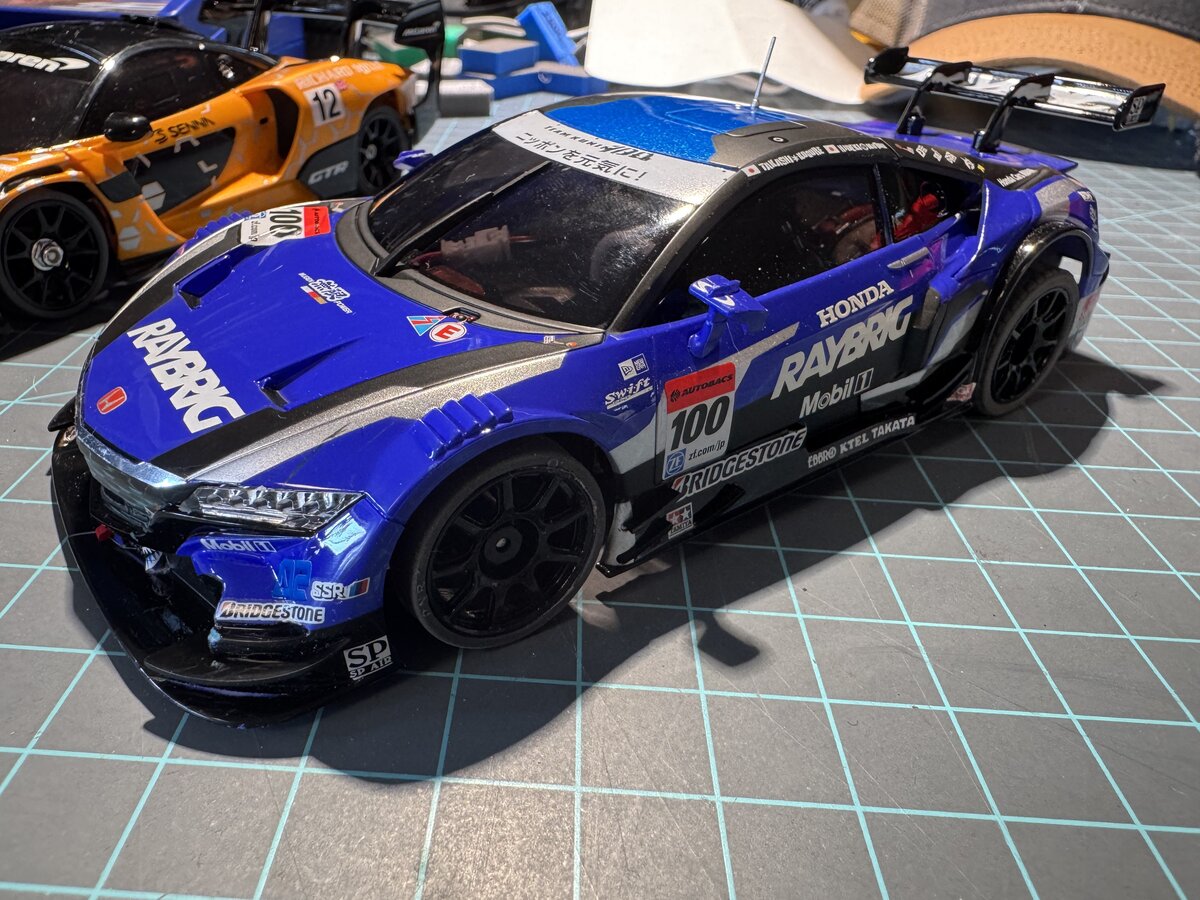
Your car was ripping last week. Same tires, same track, same T-plate. Today you pull a fully charged battery off the charger, drop it in, and the thing crawls out of corners like the brake is dragging. Before you start second-guessing your tire compound or your motor, check the cheapest, most overlooked parts on the chassis: your bearings.
Bearings are the single mod that belongs on every Mini-Z, but installing them once and forgetting them is a mistake. A bearing that hasn’t been touched in two months is not the same part you installed. It is a dust-packed, half-dry version of it, and it is quietly eating your lap times. The good news is that bringing them back is a ten-minute job with parts you probably already own.
Why Bearings Slow a Mini-Z Down
At 1/27 scale, the car is light and the drivetrain has almost no torque to spare. A little extra rolling resistance that you would never notice on a 1/10 buggy is a real handicap here. Every bearing that drags is load the motor has to overcome before it can move the car.
Bearings degrade three ways, and usually all three at once:
- Contamination. Carpet fuzz, RCP dust, hair, and grit work their way past the shields and into the race. This is the big one. A gritty bearing feels rough and stops a flicked wheel almost instantly.
- Dried-out oil. The light oil inside evaporates and migrates over time. A dry bearing isn’t catastrophic on its own, but it wears faster and picks up debris more easily.
- Wear and corrosion. Run a bearing long enough, or get moisture into it, and the balls and races pit. Once that happens, cleaning won’t save it.
The motor mount bearings on the MR-03 and MR-04 are the worst offenders. They sit closest to the heat and right in the debris path, so they are the first place to look when the car feels slow.
The Spin Test: How to Catch a Dragging Bearing
You think a bearing might be gone, but you cannot tell which one by feel through the wheel. This is where the spin test earns its keep, and it takes about thirty seconds.
Lift the car off the surface and flick each wheel as hard as you can with one finger. Watch and listen. A healthy bearing lets the wheel coast freely for a second or two and runs nearly silent. A bad one does one of two things: it stops the wheel almost immediately, or it makes a faint grinding or buzzing sound as it turns. Compare each corner against the others. The wheel that coasts noticeably less than its neighbors is the one to pull.
Do the same for the motor pinion and diff if you can spin them by hand. On AWD platforms like the MA-020 you have twice the bearings to check, front and rear, so do not stop at the rears just because that is where the power is.
The spin test tells you which bearing is bad. It does not tell you whether bearings are your problem at all. If the car feels slow and the motor runs hot but every wheel coasts freely against its neighbors, the drag is somewhere else in the drivetrain, and pulling bearings will not find it. The roll-down and pinion-out tests in the Drivetrain Drag guide separate bearings from gear mesh and diff preload before you start disassembling anything.
How to Clean Mini-Z Bearings
You found the gritty one, popped the wheel, and now you are holding a bearing the size of a lentil and wondering what to do with it. Cleaning it is straightforward, and the only real rule is to get the solvent out before the oil goes in.
Soak the bearing in isopropyl alcohol or an RC-safe contact cleaner for about ten minutes, spinning it under the solvent with a fingertip to flush the race. If it is badly packed, dump the dirty solvent and repeat with fresh. Then dry it completely. A short burst of compressed air clears the inside fast, or you can let it air-dry on a paper towel. Spin it dry to confirm it turns freely, then add exactly one drop of light bearing oil, work it in, and wipe the outside clean.
When you reinstall, do not pry the bearing into its pocket with a screwdriver. A slipped tool nicks the race or bends a thin Mini-Z axle, and now you have a real problem instead of a dirty bearing. A proper bearing puller and gentle pressure are worth the small cost.
The Over-Oiling Trap
You just cleaned and oiled every bearing on the car, feeling good about the maintenance, and the thing is somehow slower than when you started. This is the most common self-inflicted mistake in bearing service, and the cause is the oil itself.
A bearing is meant to roll, not to swim. Flood the race with oil and you create fluid drag, the same way a thick gear oil makes a diff feel locked. Worse, the excess oil that creeps to the outside of the bearing is sticky, and on a dusty track it grabs grit and turns your fresh-cleaned bearing back into sandpaper within a few runs. One drop, spun in, excess wiped off. That is the whole technique. If a bearing looks wet on the outside, you used too much.
Ceramic vs Steel: Slightly Different Care
Ceramic bearings get treated like they are maintenance-free. They are not. The hybrid ceramics most racers run have ceramic balls in steel races, and those steel races still need a light film of oil to stay smooth and rust-free. The ceramic balls resist contamination wear better and run a touch freer when clean, but a neglected ceramic bearing still drags. Clean and oil them on the same schedule as steel. The full buyer’s breakdown of where ceramic is worth the money lives in the Ceramic vs Steel Bearings guide.
When a Bearing Is Done
Some bearings cannot be saved, and chasing them is a waste of a session. If a bearing still feels notchy, rough, or catchy after a proper clean and oil, it is worn out. Same verdict if you see rust, or if you can feel play when you wiggle the inner race against the outer. The balls or races have pitted, and no amount of solvent fixes geometry.
This is not a moment for sentiment. A full Mini-Z bearing set costs less than a single tire change, and a fresh set restores the drivetrain to like-new free-rolling in one swap. Replace the whole set rather than hunting one bad bearing around the chassis, especially if they have all seen the same number of sessions.
Maintenance Cadence
For most racers, a clean-and-oil every five sessions keeps bearings healthy, with a quick spin test before every race day to catch a bad one early. Run on dirty surfaces, carpet, or outdoors with the MX-01 crawler and you tighten that interval, because grit and moisture accelerate everything. Bearing service slots into the same routine as diff and motor checks; the full calendar is in the Mini-Z Maintenance Schedule. Skip that interval and bearings are usually the first thing to quietly cost you lap time: What Actually Wears Out on a Stock Mini-Z makes the case that cheap consumables like bearings, not the parts people worry about, are where the running costs sit.
What to Buy
You can do every step above with a few cheap consumables and one fresh bearing set on the shelf for when cleaning stops working. Browse the current bearing lineup on the Shop Bearings page.
- Replacement bearing set: When a bearing fails the post-clean spin test, swap the lot. The FastEddy sealed kit is a proven, affordable full set for the MR-03 and MR-04. → FastEddy Sealed Bearing Kit for MR-03 on Amazon
- Light bearing oil: The one-drop lubricant for the re-oil step. Any quality light RC bearing oil works; avoid heavy gear or motor oils. → RC bearing oil on Amazon
- Contact cleaner or solvent: For flushing grit. Isopropyl alcohol works fine; a dedicated RC-safe contact cleaner is faster on packed bearings. → RC-safe contact cleaner on Amazon
- Bearing removal tool: Pulls bearings without nicking the race or bending an axle. → RC bearing puller tool on Amazon
- Compressed air: Dries the race in seconds so no solvent is left to thin your oil. → compressed air duster on Amazon
- Ceramic upgrade set (optional): If you are replacing anyway and want the freer-rolling, contamination-resistant option, a hybrid ceramic set is the upgrade. → ceramic Mini-Z bearing set on Amazon
If you are still building out your toolkit, the Tools Guide covers the hex drivers and small tools that make bearing work painless. And if bearings are the first real maintenance you are tackling, the First 5 Upgrades guide shows where they sit in the build order on a fresh chassis.
Prices are approximate and change often. Check the listing for current pricing.
Sealed bearings for the MR-03. What I run on mine. Drop-in replacement, sealed so they do not grit up.
Shop →OEM replacement bearings. Drop-in fit, no modification needed.
Shop →Ceramic balls, steel races. ABEC 7 rated. Lower friction than steel, no rust.
Shop →Full ceramic races and balls. Lowest rolling resistance available. Fits MR-02/MR-03/MR-015.
Shop →Drop-in sealed bearing kit for the MR-04EVO2 drivetrain. Model-specific sizing. Not interchangeable with MR-03 sets.
Shop →Budget full-steel bearing kit for the MR-03 drivetrain. The "if you just want to get started" pick over OEM plastics.
Shop →Hybrid ceramic bearing set sized for the MA-020 AWD drivetrain. Lower rolling resistance than steel, no rust on the front axle.
Shop →Crawler-specific bearing sizes for the MX-01 portal axle drivetrain.
Shop →