My first night at a real RCP club track, I came in with a car I’d been running in a parking lot for about three months. Felt good about it. Consistent, tidy, knew exactly what it would do. I set it down on the tile for warmup laps and immediately drove it into a wall on a corner I’d have made clean a thousand times on concrete.
Not from panic. Not from going too fast. Just from not understanding that the car I’d calibrated my hands to no longer existed. RCP changed everything.
The Surface Is Nothing Like What You’ve Been Practicing On
RCP foam tile has more grip than almost any surface you’ve driven on. That sounds like good news. For the first several sessions, it doesn’t feel that way.
On concrete or hardwood, the car communicates through a slide. You feel it starting, you correct, it comes back. On RCP, the grip holds and holds and holds, and then it snaps. The warning sign is a lot shorter. Coming out of a corner with the same throttle timing I’d built over three months, I’d get two or three laps of fine, then one lap of rear-end coming around with no real warning.
The car wasn’t broken. My inputs were calibrated for a surface that wasn’t there anymore.
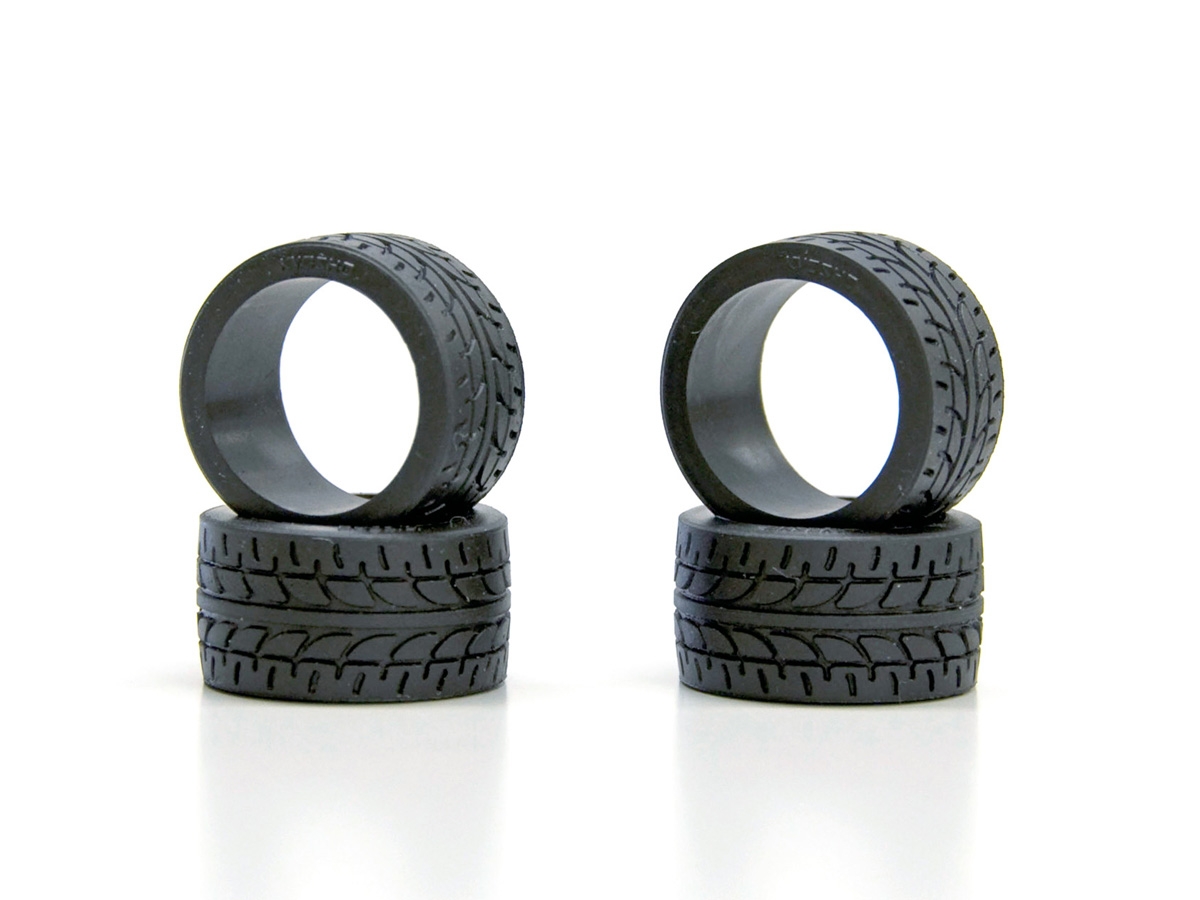
The other thing nobody told me: tires matter more on RCP than anywhere else, and the compound I’d been running was wrong for tile. I had a set of 30-degree softs that worked beautifully on the smooth concrete in the parking garage where I’d been practicing. On RCP they were so planted in the straight and so loose on corner exit that the car felt like two different cars in the same lap. I asked a guy at the club what everyone ran and he said medium 20-degree Kyoshos, basically universally. Switched the same night. Different car.
Ask before you show up what compound the track runs. It’ll save you a practice session of wondering if your car is broken.
Your Braking Points Are Wrong
This one took me the longest to fix, and I kept blaming the setup for it instead of myself.
In the parking lot, late braking and a little slide to the apex works fine. On RCP, the grip holds you on that arc until you run out of track. I was consistently overdriving into the hairpin on my club’s layout, braking where I always braked, arriving at the corner too fast, understeer pushing me wide, then having to unwind and reset. Lost two seconds a lap on that corner alone for my first three sessions while thinking my rear tires were the problem.
The fix was to brake earlier than felt right. A lot earlier. It felt like I was lifting off the throttle before the corner even started. My instinct said I was leaving speed on the table. I was actually going faster because the car was settled at the turn-in point instead of still scrubbing off entry speed at the apex.
It took about four sessions before the earlier braking point stopped feeling wrong. That’s a long time to fight your own instincts. I kept a note in my setup book: “Brake 6 inches earlier on hairpin. Not a car problem.”
The Track Has a Fixed Line and You Have to Learn It
Parking lot driving is improvised. You can adjust, compensate, route around your own mistakes. The “track” accommodates you.
RCP layouts don’t. There’s a line through each corner, and that line is significantly faster than everything else. When I was losing two seconds a lap to the fast guys at our club, most of it wasn’t raw speed. It was five corners where my line was slightly wrong in ways I couldn’t feel because I didn’t know what the right line looked like yet.
The most useful thing I did in my first six weeks was pick one section of the layout and own it before touching anything else. Our track had a long sweeper into a tight hairpin that gave me fits. I ran that segment over and over in practice, ignoring the rest of the lap, until I knew where to brake and where to open the throttle without thinking about it. Then I moved to the next section.
Racing guys who’ve run the same track layout for a season have a massive advantage in just knowing where they’re going. You close that gap section by section, not by trying to drive the whole thing better at once.
Your Setup Needs to Change Too
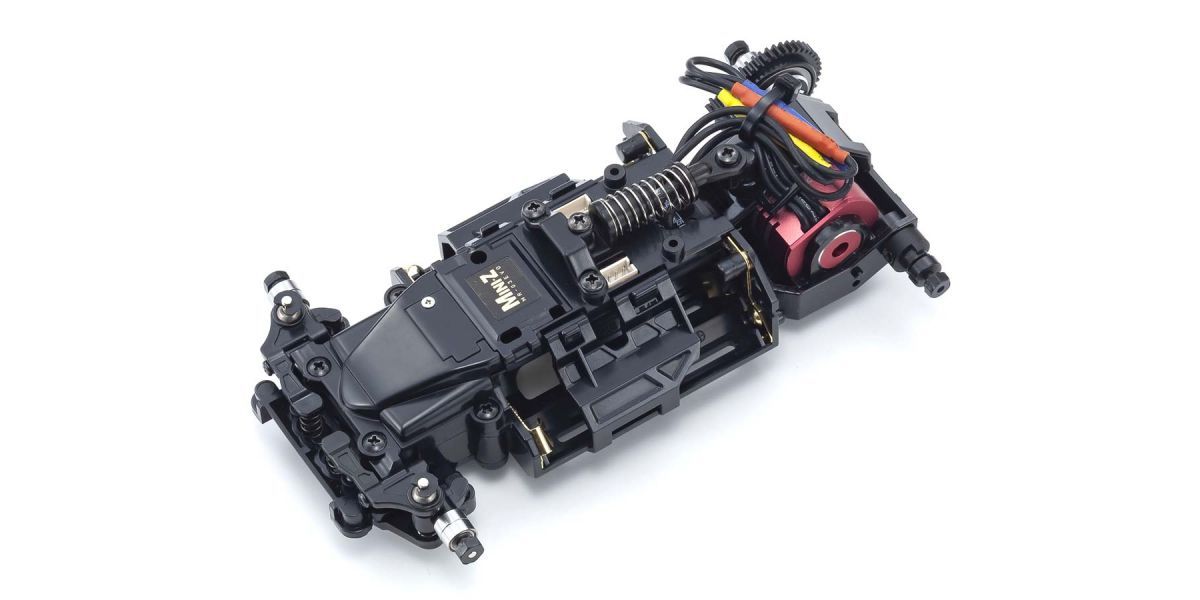
The car I’d been running on concrete was set up for concrete. Slightly softer rear tires for the lower grip. Gyro gain tuned for a surface where the car slides more predictably. That combination on RCP meant the rear was too loose on any hard corner exit and the gyro was fighting me on a surface where I needed less intervention, not more.
For the first few track nights, don’t try to sort the setup. Run something neutral (medium tires, medium T-plate, gyro gain around 50%) and focus entirely on learning the surface and the layout. If you mess with the setup before you understand how the car behaves on tile, you’ll be chasing ghosts.
Once you have a baseline feel after a few sessions, then start paying attention to what the car is actually doing. Is it pushing on corner entry? Is the rear loose on throttle? Those are diagnosable. “The car feels weird on RCP” is not diagnosable. Give yourself the sessions to collect enough information first.
The Social Part Is Its Own Learning Curve
Parking lot driving is solo. Club nights aren’t.
The first time I got lapped in practice, I had no idea what to do. Do I hold my line? Do I move over? The faster car got around me but I disrupted his next corner by drifting wide at the wrong time. He was polite about it. I was embarrassed.
Traffic changes your lines, your timing, your whole read of the track. When you’re behind a slower car in qualifying, you have to decide whether to back off and wait or try to find a gap, and either decision has a wrong version and a right version depending on the situation. That skill only comes from being on track with other people.
The fastest way to learn it is to watch how the experienced guys handle it. They’re almost always predictable. They hold consistent lines even under pressure. They don’t make aggressive moves in practice because the point is to get laps in, not to race. Borrow that approach.
My first three track nights were humbling. I drove the same car I’d been confident on for months and felt like a beginner. The parking lot had taught me real skills: throttle feel, basic car placement, how to read the car through the controller. But RCP is a different exam. The skills don’t transfer directly; they translate. Give yourself five or six track nights before you judge how the transition is going.
If you want consistent RCP practice outside of club nights, the RCP Track Setup Guide covers how to build a home layout: tile counts, layout design, barriers, and the EasyLap timing system used at most Mini-Z clubs.
Mini-Z Modder